Blog
How to Identify a Natural Gemstone vs a Synthetic Stone


Buying a gemstone is exciting — but also confusing. With lab-created stones becoming more
common and visually identical to natural gems, many buyers struggle to understand what they are
really paying for.
This guide will help you confidently identify the difference between natural gemstones and
synthetic (lab-created) stones, understand inclusions and internal patterns, compare price
differences, and learn why certification is critical before making a purchase.
Natural vs Lab-Created Gemstones: What’s the Real Difference?
Natural Gemstones
Natural gemstones form deep inside the Earth over thousands to millions of years through heat,
pressure, and mineral-rich environments. Because nature is unpredictable, these stones often contain
small imperfections and unique internal features.
Key traits of natural stones:
• Slight color variations
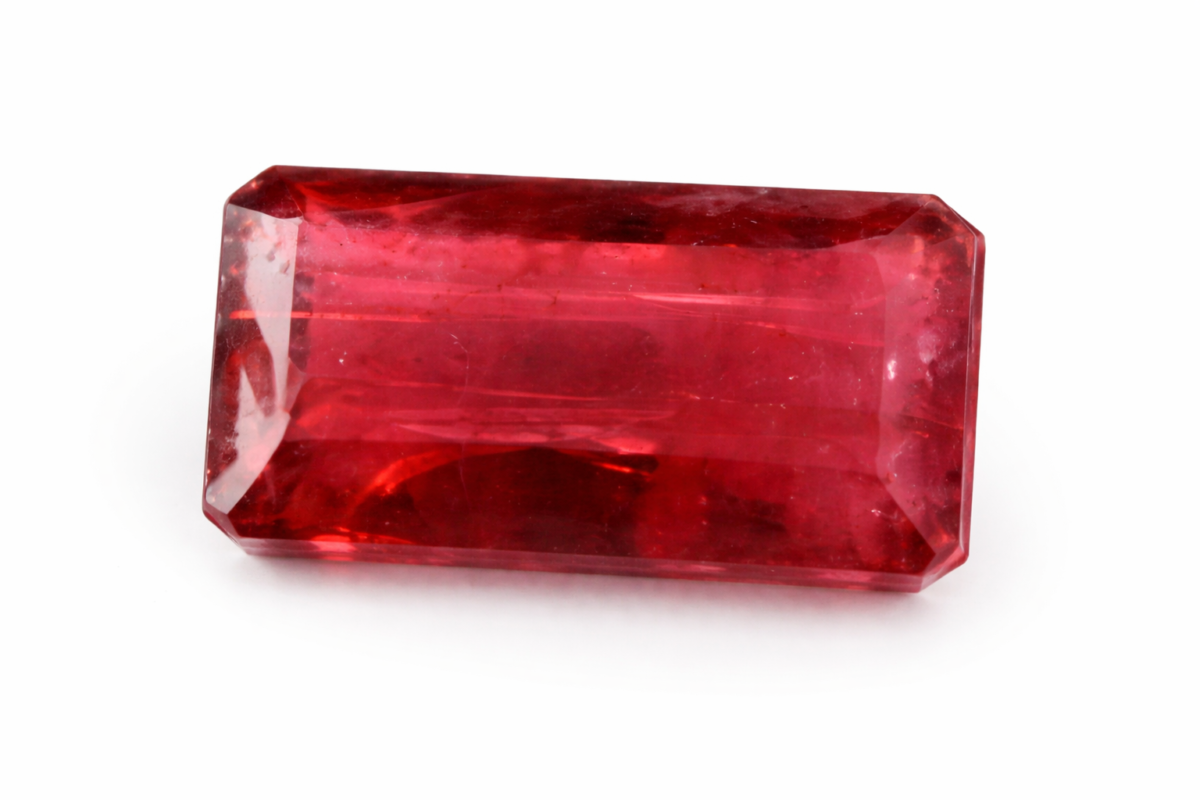
• Visible inclusions (tiny internal features)
• Irregular growth patterns
• Higher rarity in fine quality
Lab-Created (Synthetic) Gemstones
Synthetic gemstones are grown in laboratories using advanced technology that replicates natural
formation conditions. Chemically and structurally, they are the same mineral as their natural
counterparts — just made faster and under controlled conditions.
Key traits of lab-created stones:
• Very clean appearance
• Highly uniform color
• Fewer internal flaws
• More affordable
Inclusions & Internal Patterns: Nature’s Fingerprints
Inclusions are tiny internal features trapped inside a gemstone during formation. They are one of the
biggest clues to a stone’s origin.
Common Inclusions Found in Natural Stones
• Mineral crystals trapped inside
• Needle-like structures (like rutile silk)
• Liquid-filled cavities
• Fingerprint patterns from healed fractures
• Color zoning showing uneven growth
These occur because natural gemstones grow in chaotic geological environments.
Inclusions Often Seen in Synthetic Stones
• Curved growth lines (especially in flame-fusion rubies & sapphires)
• Metallic flux particles in flux-grown stones
• Gas bubbles in some synthetic or glass materials
• Extremely clean interiors with almost no natural-looking flaws
If a large stone looks too perfect, it may be lab-created.
Growth Patterns: Straight vs Curved
Natural crystals grow in angular, geometric patterns. Synthetic stones often reveal curved or overly
consistent growth structures due to laboratory methods. Gemologists use microscopes to study these
growth clues — one of the most reliable identification methods.
Price Differences: Why Natural Costs More
One of the biggest surprises for buyers is the price gap.
Factor Natural Gemstone Lab-Created Gemstone
Formation time Millions of years Weeks to months
Rarity Limited Can be produced
Inclusions Common Fewer
Because natural fine-quality stones are rare, they often command significantly higher prices,
especially in larger sizes.
Lab-created stones are ideal for buyers who want:
✔ Bigger size
✔ Better clarity
✔ Lower cost
Why Certification Matters (More Than Anything)
A gemstone certificate is your proof of identity and origin. Without it, you are relying only on the
seller’s word.
Reputable gemological laboratories use advanced tools like spectroscopy and microscopy to
determine whether a stone is natural or synthetic.
Well-known labs include:
• Gemological Institute of America (GIA)
• International Gemological Institute (IGI)
• Swiss Gemmological Institute SSEF
• American Gemological Laboratories (AGL)
• Asian Institute of Gemological Sciences (AIGS)
A Good Certificate Confirms:
✔ Natural vs lab-grown
✔ Any treatments (heat, oiling, filling, etc.)
✔ Stone weight and measurements
✔ Sometimes geographic origin
Always match the certificate details (weight, size, photo) with the actual stone.
Professional Tests Used by Gem Labs
Experts use advanced methods such as:
• Microscopic inclusion analysis
• Spectroscopy (Raman, FTIR, UV-Vis)
• Refractive index and density testing
• Fluorescence under UV light
Market value Higher Lower. Emotional/collector appeal Strong Moderate
• Growth structure analysis
These tools provide scientific confirmation beyond visual inspection.
• Common Buyer Mistakes
• Buying without certification
• Assuming “flawless” means natural
• Not asking about treatments
• Trusting price alone
Final Thoughts: Which Should You Choose?
There is no wrong choice — only the choice that fits your priorities.
No matter what you choose, documentation and transparency are the keys to a smart purchase.