Blog
Confused About Gemstone Shapes? Read More

Confused About Gemstone Shapes? The Ultimate Guide to Cuts, Quality & Suitability
Buying natural gemstones online or designing custom fine jewellery can feel overwhelming, especially when industry jargon gets in the way. If you have ever felt confused about the difference between a gemstone’s “shape” and its “cut,” you are not alone.
Understanding this distinction is the secret to choosing a high-quality gemstone that perfectly aligns with your aesthetic desires, lifestyle, and even astrological needs. While these two terms are often used interchangeably, they represent entirely different aspects of a precious stone’s final appearance and value.
Shape vs. Cut: What is the Real Difference?
To make an informed purchase, it is crucial to separate the outline of the stone from its internal architecture.
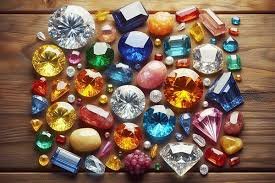
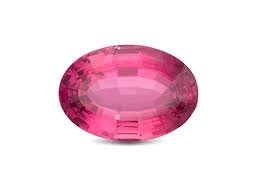
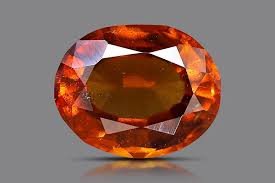
- The Shape: This refers to the gemstone’s overall physical outline—the silhouette you see when looking down at the stone from above. Common geometric shapes include Round, Oval, Rectangular, and Square.
- The Cut: This refers to the lapidary’s (gem cutter’s) specific arrangement of facets (the flat, polished surfaces) across the gemstone. The cut is the engine of the stone; it determines how light behaves, how colour is handled, and how brilliantly the gem sparkles.
Primary Cutting Styles & Their Purpose
When a master cutter transforms a rough crystal into a polished gem, they choose a cutting style based on what will best highlight that specific stone’s natural properties.
- Brilliant Cut: Utilizing triangular and kite-shaped facets, this cut is engineered to maximize light reflection. While diamonds are famous for this cut to highlight their “fire,” coloured stones like Sapphires and Rubies often use it to enhance sparkle and mask slight natural inclusions.
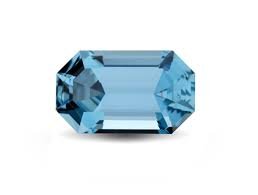
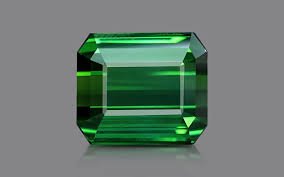
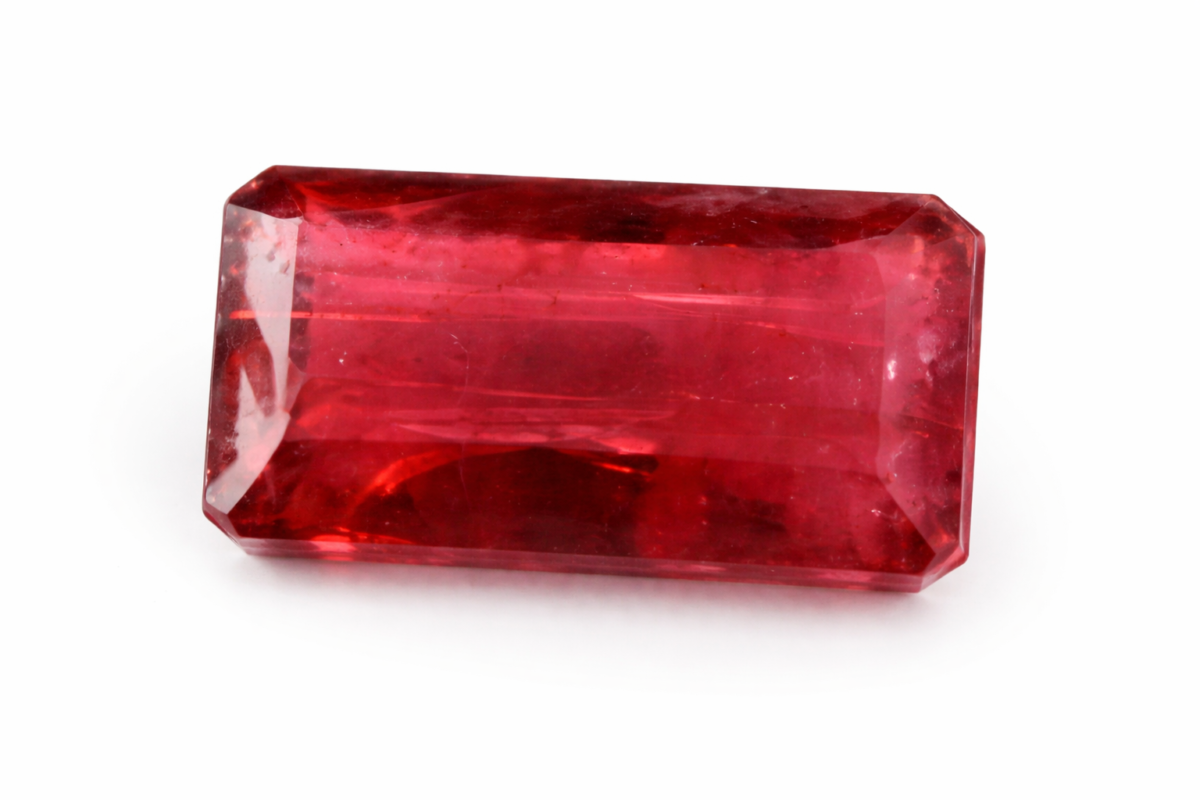
- Step Cut (Emerald Cut): Characterized by rectangular facets running parallel to the gemstone’s edge, resembling a mirrored staircase. This cut prioritizes a stone’s deep body colour and flawless clarity over sparkle. It is highly suitable for Emeralds, Aquamarines, and Tourmalines with high transparency.
- Mixed Cut: The best of both worlds. Many premium coloured gemstones feature a brilliant-cut crown (the top) to inject sparkle, paired with a step-cut pavilion (the bottom) to retain carat weight and deepen colour saturation.
Popular Gemstone Shapes & Suitability
Beyond the classic Round and Oval, the shape you choose dictates the mood of the jewellery and how it wears. Here is how to choose the right fit for your needs:
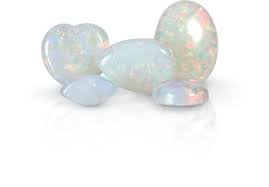
- Marquise: An elongated, boat-like shape with pointed ends. Suitability: It offers a dramatic, regal appearance and creates the optical illusion of making the wearer’s finger look longer and slimmer. Because the pointed ends are vulnerable to chipping, it requires a protective setting (like V-prongs).
- Pear (Teardrop): A graceful hybrid of the round and marquise shapes. Suitability: Highly versatile for pendants and drop earrings. In rings, it offers a unique, asymmetrical elegance. Like the marquise, its delicate point requires careful mounting.
- Princess: A square shape with sharp, un-cropped corners. Suitability: Perfect for modern, bold aesthetics. It maximizes the retention of the original rough stone, making it an eco-friendly and value-driven choice for high-quality gems.
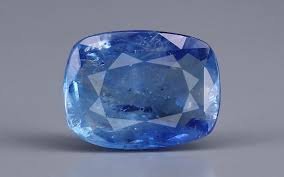
- Cushion: A square or rectangular shape with softly rounded corners, resembling a pillow. Suitability: Often used for large, investment-grade Sapphires and Rubies. It provides a vintage, romantic feel and retains excellent colour dispersion.
The Hallmark of Quality: Why the Cut Matters Most
Even a flawless, vibrant raw crystal can be ruined by a poor cut. The precision of the facets is what ultimately releases the stone’s visual and metaphysical energy. When shopping for authentic gemstones, be mindful of these two signs of a poor cut:
- Windowing: Have you ever looked at a gem and noticed a washed-out, “see-through” puddle in the centre? This is windowing. It happens when the stone is cut too shallow, allowing light to leak straight through the bottom instead of reflecting back to your eye.
- Extinction: These are dead, dark areas within the stone where light becomes “trapped.” While a little darkness creates contrast, excessive extinction makes a gemstone look dull and lifeless, severely impacting its market value.
In premium gemmology, proportion is everything. A meticulously proportioned cut ensures maximum brilliance, authentic colour representation, and the proper transmission of the stone’s natural energy.
Discover Your Perfect Gemstone
While global jewellery trends often dictate the popularity of certain shapes, the best choice is always the one you are naturally drawn to. Whether you prefer the blinding brilliance of a round cut or the sophisticated, glassy transparency of an emerald cut, it is the master craftsmanship behind the facets that brings the stone to life.
Do not settle for dull, poorly cut stones. Invest in natural, expertly faceted gemstones that radiate true beauty and energy.
Ready to find a gemstone crafted to perfection?
For expert guidance, premium quality, and certified natural gemstones, connect with the experts at Ratna Empire.
- Call/WhatsApp: 9889128750
- Explore our global collection online: www.ratnaempire.com